
Lee County’s Seven-Day Arrest Log
The Sheriff's main weekly source is the News Media arrest report. The PDF carries a title like "Arrest Summary Report, by Date, Time, with Offenses, Bonds." Each edition shows a report date and a date range. Filters cover agency, officer, type, area, and judicial status. Nothing else in Lee County matches its seven-day reach. One catch matters. The URL stays fixed while the PDF behind it gets replaced. That design helps fresh checks. It never becomes an archive, though, so save the report date and range when you are tracking a specific arrest.
Read Lee County Arrest Entries
Read each Lee County entry from the top down. The header gives the date. Below it, the arrest line names who was arrested and when. The offense and bond details follow, and that layering keeps a repeated name from looking like a separate arrest.
- Open the live PDF and note its title, report date, and date range.
- Locate the arrest date and time rather than relying on page order.
- Keep the booking number, arrest number, and related incident numbers with the correct event.
- Read all offense lines, including statute, class, entry code, and judicial-status fields.
- Read each bond line separately, then verify current status with the jail or court.
- Use the court docket for what happened after booking.
Need only the newest bookings? The Daily Arrest Report covers just 24 hours, drawn from this same official source. Turn to the weekly log when the exact day is unclear, since its fuller context usually answers that.
Weekly Arrest Log Field Depth
The report is relational. Arrest, offense, and bond facts sit on connected levels. Flatten them and you imply one offense, one status, and one bond per person, which is exactly what the field inventory keeps visible.
| Level | Observed fields |
|---|---|
| Arrest | Date and time, booking number, inmate name and name number, birth date, address, arrest type, agency or officer, location, arrest number, and incident numbers. |
| Offense | Offense date, sentence date, statute, description, disposition, court, class, entry code, and judicial status. |
| Bond | Bond type, required amount, optional amount, and clearance code. |
| Report | Report date, covered range, and visible filter context. |
| Photo | No public booking-photo gallery in the observed county report. |
A booking number is not a court case number. The "Disposition" field is not a court outcome. For later docket events, check the Circuit Clerk Matrix or Full Court Enterprise.
Weekend Arrest Log Timing
Weekends and holidays make a seven-day window pay off. A same-day check can miss a late-posting arrest. The wider report catches it. Lee County posts no guaranteed refresh hour for the public PDF, so note your first check and revisit the file before concluding anything. Resist calling an ordinary weekend a "surge" without sourced counts. The report may bundle several days, but bundling proves no trend. A late entry may just be timing. It can reflect processing lag, not heavier enforcement. The daily page and weekly page differ partly because their cutoffs differ. The current inmate PDF adds another boundary. It snapshots who is housed now, not seven days of arrest events. Release or transfer removes a name from that list. The arrest itself still appears in this log, while an older booking can sit on the current list yet fall outside this week's report.
Dixon and County Blotters Differ
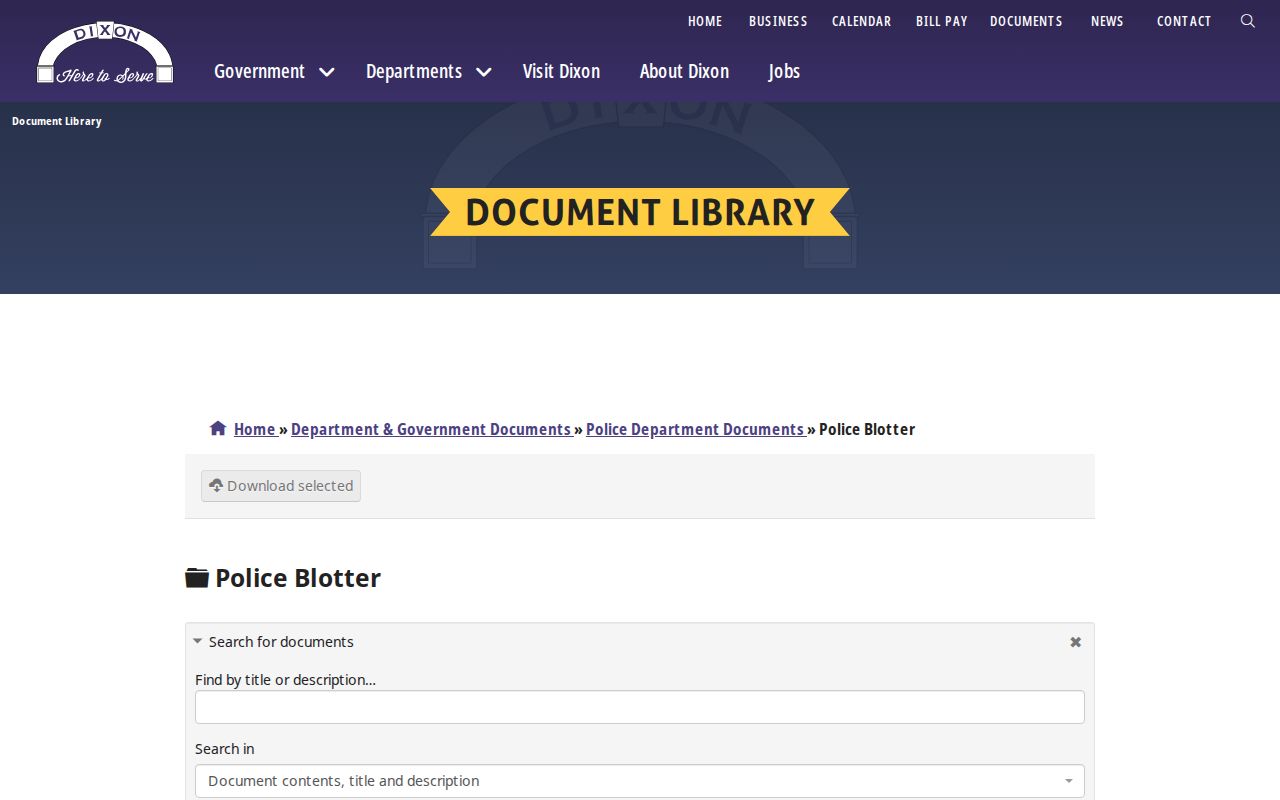
Dixon Police keeps an official monthly police blotter library on the city's site. It runs by month. The Sheriff's jail report runs by rolling week. A city blotter can include incidents, citations, and calls alongside arrests. County bookings should not merge silently into that material. The month-based city page also helps explain why a Dixon police event and a Lee County jail booking can land on different schedules.
Check the arresting-agency and arrest-location fields first. A Dixon address does not mean Dixon Police made the arrest. Booking at the county jail does not place the event in Dixon either. Amboy has a municipal police contact. The city offers a FOIA route but no online arrest log. Ashton contracts with the Lee County Sheriff for coverage. It runs no separate booking feed. Whenever a person enters Lee County Jail, the county report is the shared recent-booking source for all three communities.
Older Lee County Arrest Records
Rollover is a publication rule, not a retention period. Lee County publishes no schedule for how long booking PDFs, photographs, or jail exports stay available. Never read the web window as record destruction. Need a missing date range back? File the Lee County Sheriff FOIA form. Say whether you want an arrest report, booking sheet, incident report, bond record, or photograph. Include the date range, agency, booking number, and format. Municipal police records may sit with Dixon or Amboy instead. For older material, the Lee County IRAD page names the Northern Illinois University depository. The state holdings search lists historic court and local-government records. No modern sheriff jail-register series appears in those listings. Ask the archives and the county custodian whether the specific series exists.
- Rolling publication
- A live document whose covered dates move forward.
- Retention schedule
- The approved rules governing how an agency keeps or disposes of records.
- Certified record
- An official copy supplied or certified by the lawful custodian.
- Saved screenshot
- Evidence of what was visible at one time, not a certified government record.
News Is Not an Arrest Roster
Shaw Local’s Sauk Valley police and fire records section covers selected Dixon and Lee County incidents. The coverage comes in story form. It reads like news, because it is news. Expect narrative detail you won't get from a booking list. Coverage is chosen, not promised. The index is built for readers. Tags, headlines, and results can shift. It never functions as an official Lee County arrest export.
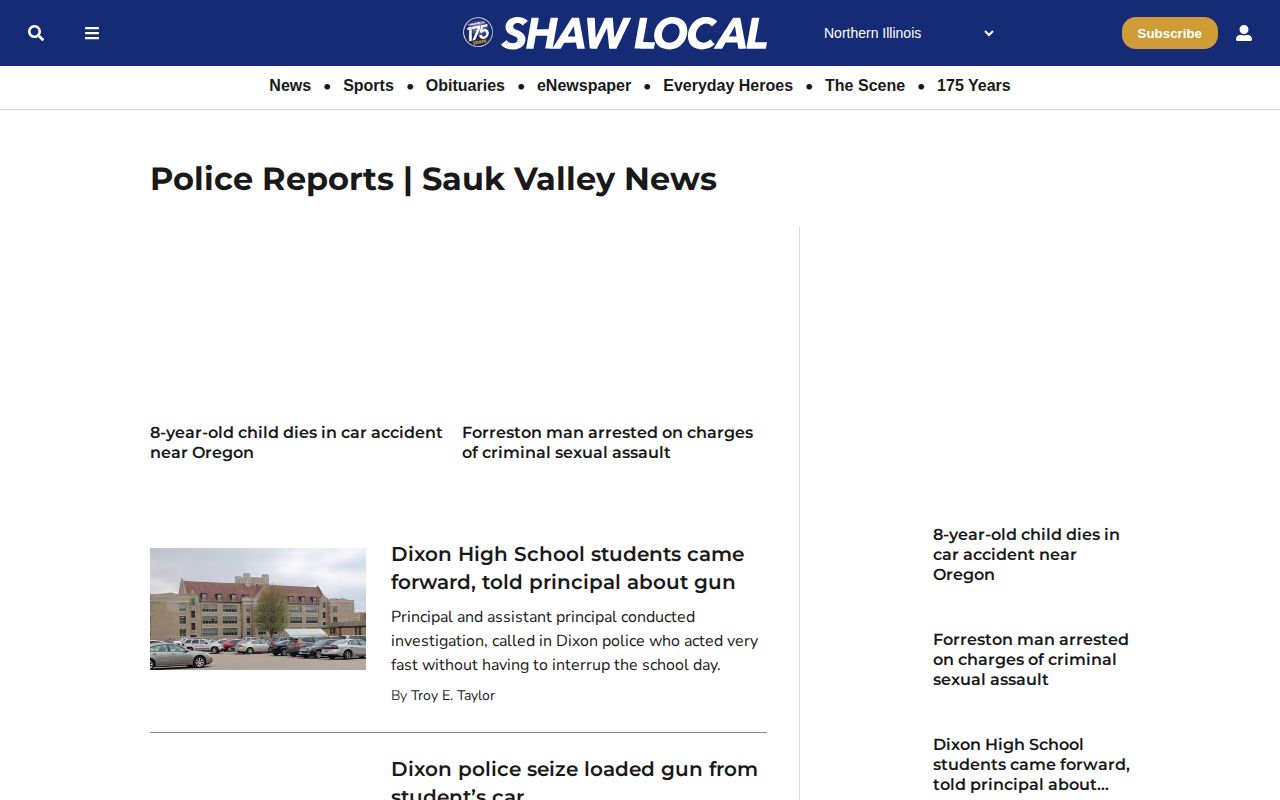
Check the date, the named agency, and the source before acting on it. Then confirm against the county report or the court docket.
A news photo is not a Lee County booking photograph. Police often supply portraits or other editorial images instead. Faces should never be lifted into a gallery. No story image can stand in for a missing mugshot on the official roster.
The Amboy News archive reflects a weekly blotter tradition in the county. Its current site lists no arrest section, though. Old issues prove past coverage, not a live feed. Third-party county pages sit another step back and can go stale, so official sources stay first.
Verify Arrest Outcomes in Court
A charge on the Lee County jail roster only reflects what was listed at booking. Cases move after that point. Counts get amended or dropped, and pleas reshape the record.
For anything beyond the roster, go to the Circuit Clerk. The jail itself gives no court dates and refers callers there. Search by case or citation number when you can. Two people can share a name. Docket entries show hearings, conditions, pleas, and sentences. Online access may lag behind the real file, so the clerk issues the certified copy.
Search Public Records
Sponsored Results